
In this article
- 1. You Make Decisions With Each Other in Mind
- 2. Support Goes Beyond Romantic Moments
- 3. Both People Take Responsibility for the Relationship
- 4. You Can Solve Problems as a Team
- 5. You Know How to Depend on Each Other Without Losing Independence
- 6. You Can Discuss Money and Practical Life
- 7. Future Planning Feels Mutual
- 8. You Can Be Honest About Needs and Limits
- 9. You Protect the Relationship During Conflict
- 10. You Celebrate Each Other’s Growth
- 11. Trust Has Become Practical
- 12. You Have Shared Standards for the Relationship
- Dating vs Partnership
- Signs You May Still Be Mostly Dating
- Questions to Ask Yourself
- Final Thoughts
Dating and partnership are not exactly the same thing.
Dating is often about getting to know each other, enjoying time together, and exploring compatibility.
A partnership goes further.
It means both people are beginning to think and act as a team.
That does not mean giving up independence or making every decision together.
It means the relationship has developed enough trust, responsibility, and mutual investment that both people are starting to build something shared.
1. You Make Decisions With Each Other in Mind
In early dating, most decisions are still individual.
As a partnership develops, some choices naturally begin considering the other person.
That may include:
- schedules
- travel
- weekends
- family plans
- work commitments
- major purchases
You do not need permission for everything.
The important shift is that the relationship becomes part of your thinking.
2. Support Goes Beyond Romantic Moments
A partnership is not only about enjoyable dates.
It also appears during stressful or ordinary periods.
You may support each other through:
- difficult workweeks
- family issues
- health concerns
- personal goals
- disappointing moments
You should feel that the relationship can handle real life, not only the exciting parts.
3. Both People Take Responsibility for the Relationship
A real partnership does not depend on one person managing everything.
Both people should participate in:
- communication
- planning
- conflict repair
- emotional support
- maintaining connection
If one person always initiates every important conversation or fixes every problem, the relationship may still feel one-sided.
4. You Can Solve Problems as a Team
Problems are inevitable.
What changes in a partnership is the mindset.
Instead of asking:
“Whose fault is this?”
both people begin asking:
“How do we solve this?”
That may involve:
- listening
- compromising
- making adjustments
- admitting mistakes
- trying a different approach
Teamwork matters more than winning.
5. You Know How to Depend on Each Other Without Losing Independence
Healthy partnership includes some dependence.
You should be able to ask for help, rely on the other person, and trust them with important things.
At the same time, both people should still have:
- friends
- personal goals
- hobbies
- work
- time alone
Partnership means interdependence, not losing your identity.
6. You Can Discuss Money and Practical Life
Long-term relationships eventually involve practical decisions.
You may begin discussing:
- spending
- saving
- travel costs
- shared expenses
- financial goals
You do not need joint finances to be a real partnership.
But the ability to talk openly about practical life is important.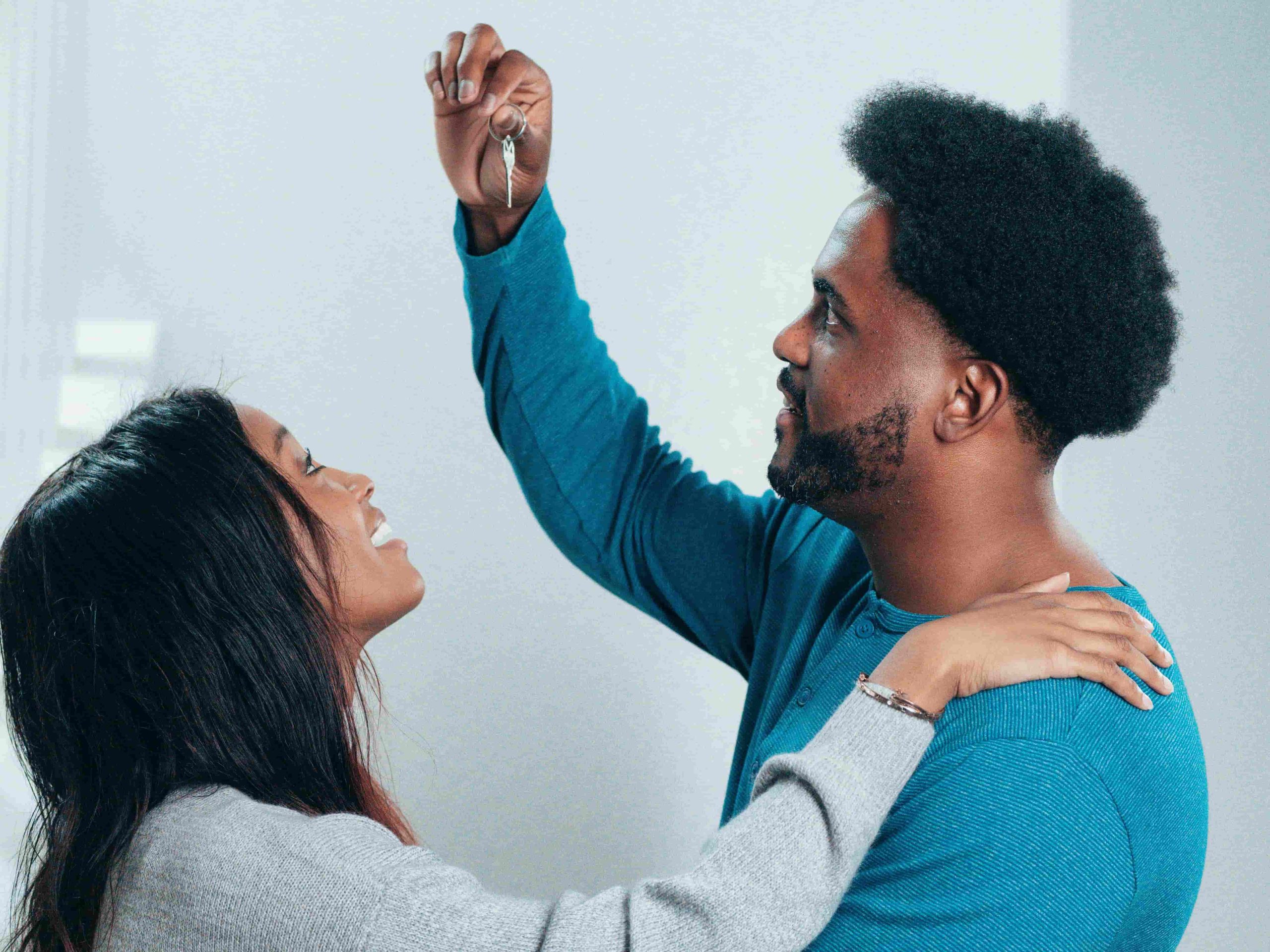
7. Future Planning Feels Mutual
A growing partnership usually includes more shared future thinking.
You may talk about:
- holidays
- travel
- living arrangements
- career changes
- family
- marriage
- children
The key is that future planning comes from both people.
You should not feel like one person is dragging the relationship forward.
8. You Can Be Honest About Needs and Limits
Partnership requires honesty.
You should be able to say:
“I need more support.”
“I need some space.”
“I cannot take that on right now.”
“I want us to handle this differently.”
A strong relationship makes room for both people’s needs rather than expecting one person to constantly adapt.
9. You Protect the Relationship During Conflict
Arguments happen.
But in a partnership, both people usually understand that the relationship itself matters more than the argument.
You may still become upset, but ideally you avoid:
- threats
- humiliation
- revenge
- deliberately hurtful comments
The goal is to repair the connection, not damage it to prove a point.
10. You Celebrate Each Other’s Growth
A real partner wants you to grow.
They can support your:
- career
- education
- health
- creative goals
- friendships
- personal development
Your success should not automatically feel threatening to the relationship.
A strong partnership makes room for both people to become more of themselves.
11. Trust Has Become Practical
Trust is not only emotional.
It may start showing up in everyday life.
You trust each other to:
- follow through
- communicate
- handle responsibilities
- respect privacy
- make reasonable decisions
That kind of reliability helps partnership feel stable.
12. You Have Shared Standards for the Relationship
Partnership becomes stronger when both people understand what they expect from each other.
That may include:
- honesty
- loyalty
- communication
- boundaries
- commitment
- effort
You do not need a formal agreement.
But both people should have a similar understanding of what the relationship requires.
Dating vs Partnership
Dating may focus more on:
- attraction
- discovery
- fun
- chemistry
Partnership adds:
- responsibility
- teamwork
- reliability
- shared planning
- mutual support
A healthy relationship can contain both.
You should still enjoy dating each other even after the partnership becomes serious.
Signs You May Still Be Mostly Dating
Possible signs include:
- your lives remain completely separate
- future conversations are avoided
- practical issues are never discussed
- one person carries all the effort
- support disappears when things become difficult
- commitment remains unclear
That does not automatically mean something is wrong.
The relationship may simply still be developing.
Questions to Ask Yourself
Do We Think Like a Team?
Shared problem-solving matters.
Is Responsibility Mutual?
Both people should contribute.
Can We Rely on Each Other?
Trust should become practical.
Are We Planning Together?
Partnership includes shared direction.
Can We Maintain Our Own Identities?
Healthy partnership leaves room for independence.
Final Thoughts
A real partnership develops when a relationship becomes more than attraction and shared time.
Both people begin showing responsibility for the connection.
You support each other.
You solve problems together.
You make room for each other’s goals.
And you gradually build a shared direction without losing your individual identities.
The shift from dating to partnership does not always happen through one conversation.
Often, it becomes visible through everyday behaviour.
The strongest partnerships are built when both people stop asking only:
“Do we like each other?”
and begin asking:
“How do we build something that works for both of us?”