
In this article
- 1. They Know What They Are Looking For
- 2. Their Actions Support Their Intentions
- 3. They Are Emotionally Available
- 4. They Have Enough Space in Their Life
- 5. They Can Talk About the Future Without Panicking or Overpromising
- 6. They Respect Your Boundaries
- 7. They Can Handle Disagreement
- 8. They Are Not Constantly Keeping One Foot Out the Door
- 9. Their Past Is Not Controlling the Current Relationship
- 10. They Are Willing to Make Reasonable Compromises
- 11. They Can Take Responsibility
- 12. They Are Comfortable With Mutual Dependence
- 13. Their Interest Becomes More Stable Over Time
- 14. They Are Curious About Compatibility
- 15. They Do Not Need Constant Excitement
- Signs Someone May Like You but Not Be Ready
- Readiness Is Not About a Perfect Life
- Do Not Confuse Fast Commitment With Readiness
- Questions to Ask Yourself
- What If They Say They Are Not Ready?
- Final Thoughts
Someone can genuinely like you and still not be ready for a committed relationship.
That distinction matters.
Attraction, chemistry, frequent communication, and enjoyable dates can all exist without the emotional or practical readiness required for long-term commitment.
If you are dating seriously, the question is not only:
“Do they like me?”
It is also:
“Are they actually able and willing to build the kind of relationship I want?”
Relationship readiness usually becomes visible through behaviour rather than declarations.
Here are the signs worth paying attention to.
1. They Know What They Are Looking For
Someone who is ready for commitment does not need to have every detail of their future planned.
But they usually have some clarity about what they want.
They may be able to say:
“I am looking for a long-term relationship.”
“I want to build something serious if I meet the right person.”
“I am not interested in keeping things casual indefinitely.”
Clarity matters because serious relationships require direction.
If someone repeatedly avoids discussing what they want, that uncertainty can eventually become a problem.
2. Their Actions Support Their Intentions
Words are important.
Behaviour matters more.
Someone may say they want commitment, but readiness becomes more convincing when they:
- make regular plans
- communicate consistently
- follow through
- invest time and effort
- gradually include you in their life
- treat the relationship as something worth protecting
A committed mindset usually creates visible behaviour.
3. They Are Emotionally Available
Commitment requires emotional participation.
Someone who is ready for a relationship should generally be capable of:
- discussing feelings
- listening to your emotions
- tolerating vulnerability
- handling closeness
- communicating during difficult moments
They do not need to be highly expressive.
Some people are naturally reserved.
The important question is whether they can connect emotionally when the relationship requires it.
4. They Have Enough Space in Their Life
Wanting a relationship is different from having room for one.
Someone may sincerely want commitment while being overwhelmed by:
- work
- family responsibilities
- unresolved personal situations
- constant travel
- major life transitions
Busy people can absolutely have healthy relationships.
The issue is whether the relationship consistently receives enough time and attention to grow.
Readiness includes practical availability, not only emotional interest.
5. They Can Talk About the Future Without Panicking or Overpromising
Future conversations do not need to begin with marriage plans.
They may simply involve:
- what kind of relationship they want
- where they see themselves living
- views on marriage
- whether they want children
- career goals
- lifestyle preferences
A ready partner can usually discuss these topics without permanently avoiding them.
At the same time, they do not need to promise an entire future after a few dates.
Healthy readiness includes both openness and realism.
6. They Respect Your Boundaries
Commitment is not ownership.
Someone who is ready for a healthy relationship understands that closeness still includes boundaries.
They can respect:
- your need for personal time
- your physical boundaries
- your privacy
- your friendships
- your pace
- your individual goals
A person who treats boundaries as rejection may struggle with the mutual respect serious commitment requires.
7. They Can Handle Disagreement
Long-term relationships inevitably involve conflict.
Readiness becomes clearer when you see how someone responds to small disagreements.
Can they:
- listen
- stay respectful
- apologise
- take responsibility
- compromise
- return to the conversation after cooling down
You do not need someone who never becomes frustrated.
You need someone who can remain a partner even when you disagree.
8. They Are Not Constantly Keeping One Foot Out the Door
A person may say they want commitment while behaving as though they are always preparing to leave.
You might notice:
- avoiding emotional investment
- refusing any relationship definition indefinitely
- keeping plans intentionally vague
- resisting deeper conversations
- repeatedly reminding you that they could leave at any moment
Healthy independence is important.
But commitment requires some willingness to stay and work through normal discomfort.
9. Their Past Is Not Controlling the Current Relationship
Nobody needs to erase their past before dating again.
People carry lessons, memories, and sometimes hurt from previous relationships.
The more important question is whether they can approach the current relationship as something new.
Someone may not be ready if they are still:
- constantly comparing you to an ex
- hoping to reunite with someone else
- emotionally consumed by a previous breakup
- treating you as though you are responsible for what a former partner did
Readiness does not require forgetting the past.
It requires enough separation from it to build something new.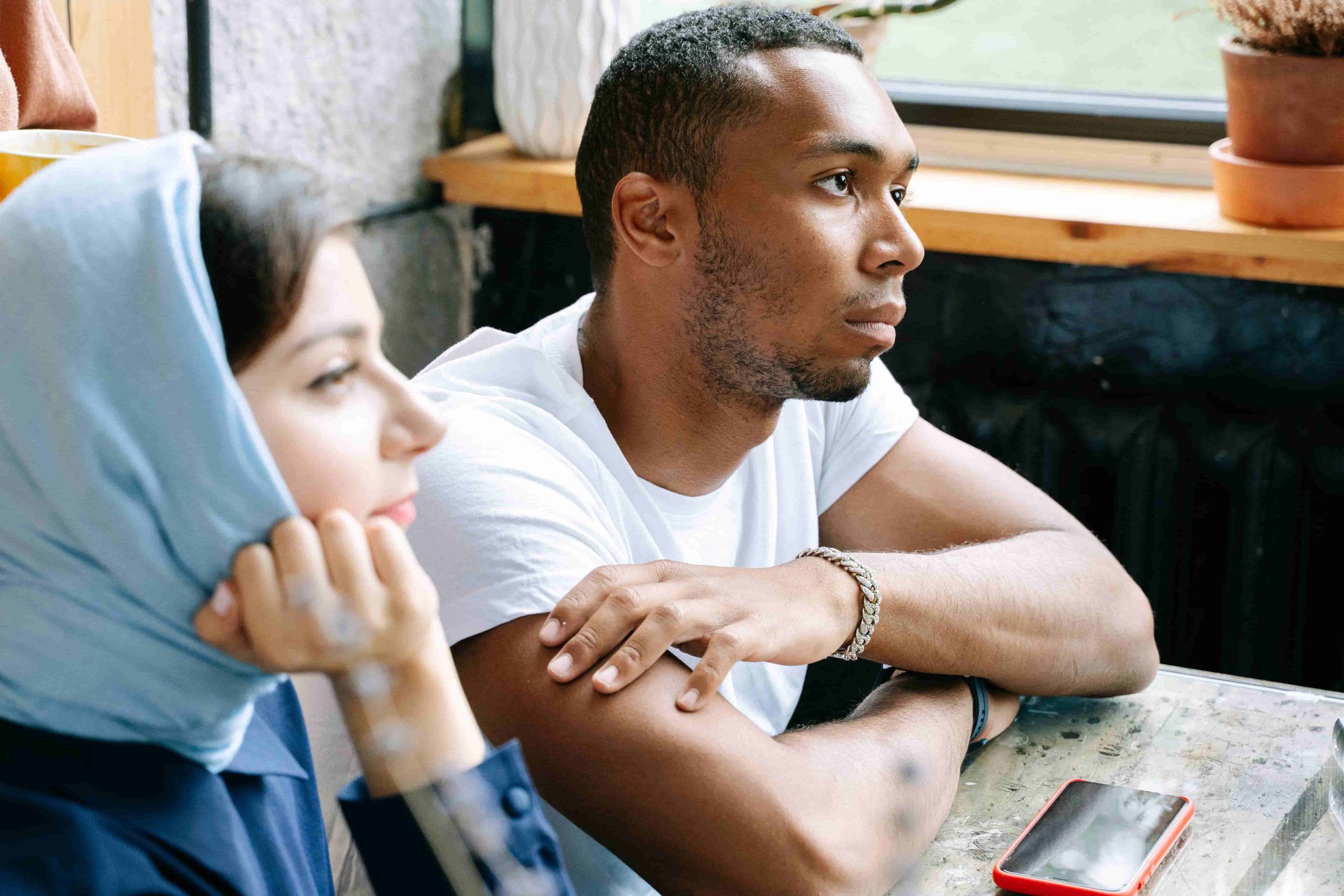
10. They Are Willing to Make Reasonable Compromises
Commitment means two lives gradually becoming more connected.
That requires flexibility.
A ready partner may sometimes:
- adjust plans
- change communication habits
- make room in their schedule
- consider your needs
- compromise on preferences
This does not mean giving up core values.
Healthy compromise means both people recognise that a relationship cannot always operate around one person’s convenience.
11. They Can Take Responsibility
Accountability is essential in serious relationships.
When someone makes a mistake, can they acknowledge it?
A ready partner may say:
“I handled that badly.”
“I should have communicated earlier.”
“I understand why that upset you.”
That is very different from someone who consistently blames:
- you
- their ex
- their job
- stress
- everyone around them
Commitment requires enough maturity to take ownership of your role in relationship problems.
12. They Are Comfortable With Mutual Dependence
Healthy relationships involve both independence and support.
Someone ready for commitment understands that relying on each other sometimes is normal.
They can:
- ask for help
- offer support
- accept care
- be emotionally present
- share responsibility
They do not need total independence to prove strength.
At the same time, they do not expect you to manage their entire emotional life.
13. Their Interest Becomes More Stable Over Time
Early attraction can be inconsistent because people are still deciding how they feel.
But if someone is moving toward commitment, the relationship should gradually become more stable.
You may notice:
- more predictable communication
- clearer plans
- greater trust
- deeper conversations
- more mutual effort
If the relationship becomes increasingly confusing instead, that deserves attention.
14. They Are Curious About Compatibility
Someone who is ready for commitment usually wants to know more than whether there is chemistry.
They may become interested in:
- your values
- relationship goals
- lifestyle
- family expectations
- communication style
- future plans
That curiosity shows that they are evaluating whether the relationship can work in real life.
15. They Do Not Need Constant Excitement
Committed relationships contain ordinary days.
Someone who is ready for one understands that connection cannot depend entirely on:
- constant flirting
- dramatic dates
- intense chemistry
- emotional highs
They can also enjoy:
- quiet evenings
- routine conversations
- simple plans
- ordinary life together
That ability matters more over time than constant intensity.
Signs Someone May Like You but Not Be Ready
A person may have genuine feelings while still lacking readiness.
Possible signs include:
- saying they want a relationship but avoiding every step toward one
- repeatedly disappearing when intimacy increases
- refusing any conversation about expectations
- being emotionally tied to a previous partner
- having no practical room for a relationship
- avoiding accountability
- wanting relationship benefits without commitment
This does not necessarily make them a bad person.
It may simply mean what they can offer does not match what you need.
Readiness Is Not About a Perfect Life
Someone does not need to have:
- perfect finances
- no stress
- a flawless past
- complete emotional confidence
- their entire future planned
Real adults often enter relationships while still figuring things out.
Readiness means they can participate honestly and responsibly despite imperfection.
Do Not Confuse Fast Commitment With Readiness
Someone may want exclusivity immediately.
They may talk about marriage early.
They may tell you they have never felt this way before.
That can feel reassuring.
But speed does not necessarily equal readiness.
Real readiness is easier to see through:
- consistency
- respect
- patience
- emotional stability
- accountability
- realistic planning
Commitment should be supported by behaviour.
Questions to Ask Yourself
Can They Talk About What They Want?
You should gradually gain clarity.
Do Their Actions Match Their Words?
Interest should appear in behaviour.
Is There Space for Me in Their Life?
Commitment needs practical room.
Can They Handle Boundaries?
Respect is essential.
Can We Discuss Difficult Topics?
Long-term relationships require honest conversations.
Do They Take Responsibility?
Accountability is a major sign of readiness.
Is the Relationship Becoming Clearer Over Time?
Healthy progression usually reduces confusion.
What If They Say They Are Not Ready?
Believe the information they are giving you.
It is tempting to think:
“They will become ready if the connection becomes strong enough.”
Maybe they will.
But you should not build a relationship around that assumption.
Evaluate what someone can offer now.
If you want commitment and they clearly do not, neither person needs to be wrong for the relationship to be incompatible.
Final Thoughts
Someone who is ready for a committed relationship usually shows more than attraction.
They show availability.
Consistency.
Accountability.
Respect.
Curiosity about compatibility.
And a willingness to gradually make space for another person in their life.
You do not need perfect certainty early in dating.
But the relationship should slowly become easier to understand.
The best sign of commitment readiness is not how strongly someone talks about the future.
It is whether their everyday behaviour shows that they are capable of building one.