
In this article
- What Is Casual Dating?
- What Is Serious Dating?
- The Biggest Difference Is Usually Expectations
- Casual Dating Does Not Mean You Do Not Care
- Serious Dating Does Not Mean Immediate Commitment
- Ask Yourself What You Want Right Now
- Consider How You Feel About Exclusivity
- Think About Your Emotional Availability
- Look at Your Current Life
- Ask Whether You Are Comfortable With Uncertainty
- Pay Attention to Your Reactions
- Do Not Choose Serious Dating Because of Social Pressure
- Do Not Choose Casual Dating Just to Avoid Vulnerability
- Your Dating Goals Can Change
- How to Tell Someone You Want Something Casual
- How to Tell Someone You Want Something Serious
- What If You Want Different Things?
- Can Casual Dating Turn Into a Serious Relationship?
- Can Serious Dating Still Be Fun?
- Questions That Can Help You Decide
- You Can Be Honest Without Having Everything Figured Out
- Final Thoughts
Dating does not always begin with a clear destination.
Sometimes two people meet, enjoy spending time together, and allow the connection to develop naturally. Other times, someone begins dating with a very specific goal: finding a partner for a committed, long-term relationship.
Neither approach is automatically better.
The important question is whether the type of relationship you are building matches what you actually want.
Many dating frustrations happen because people enter relationships without clearly understanding their own expectations. One person may believe they are casually getting to know someone, while the other is already hoping the connection will become exclusive.
Someone may say they want something casual but become emotionally attached.
Another person may believe they want a serious relationship but discover that they are not ready for the responsibilities that commitment brings.
Understanding the difference between casual dating and serious dating can help you make more intentional choices and communicate more clearly with the people you meet.
What Is Casual Dating?
Casual dating generally means spending time with someone romantically without immediately expecting the relationship to develop into a committed long-term partnership.
The exact meaning can vary.
For some people, casual dating means going on dates with multiple people while deciding who they are most compatible with.
For others, it means seeing one person regularly without defining the relationship as exclusive.
Some people may enjoy companionship, attraction, or shared experiences without wanting the connection to become more serious.
The key characteristic is usually lower expectations of long-term commitment.
That does not mean casual dating should involve poor communication or disrespect.
Healthy casual relationships still require honesty, boundaries, and consideration for the other person’s feelings.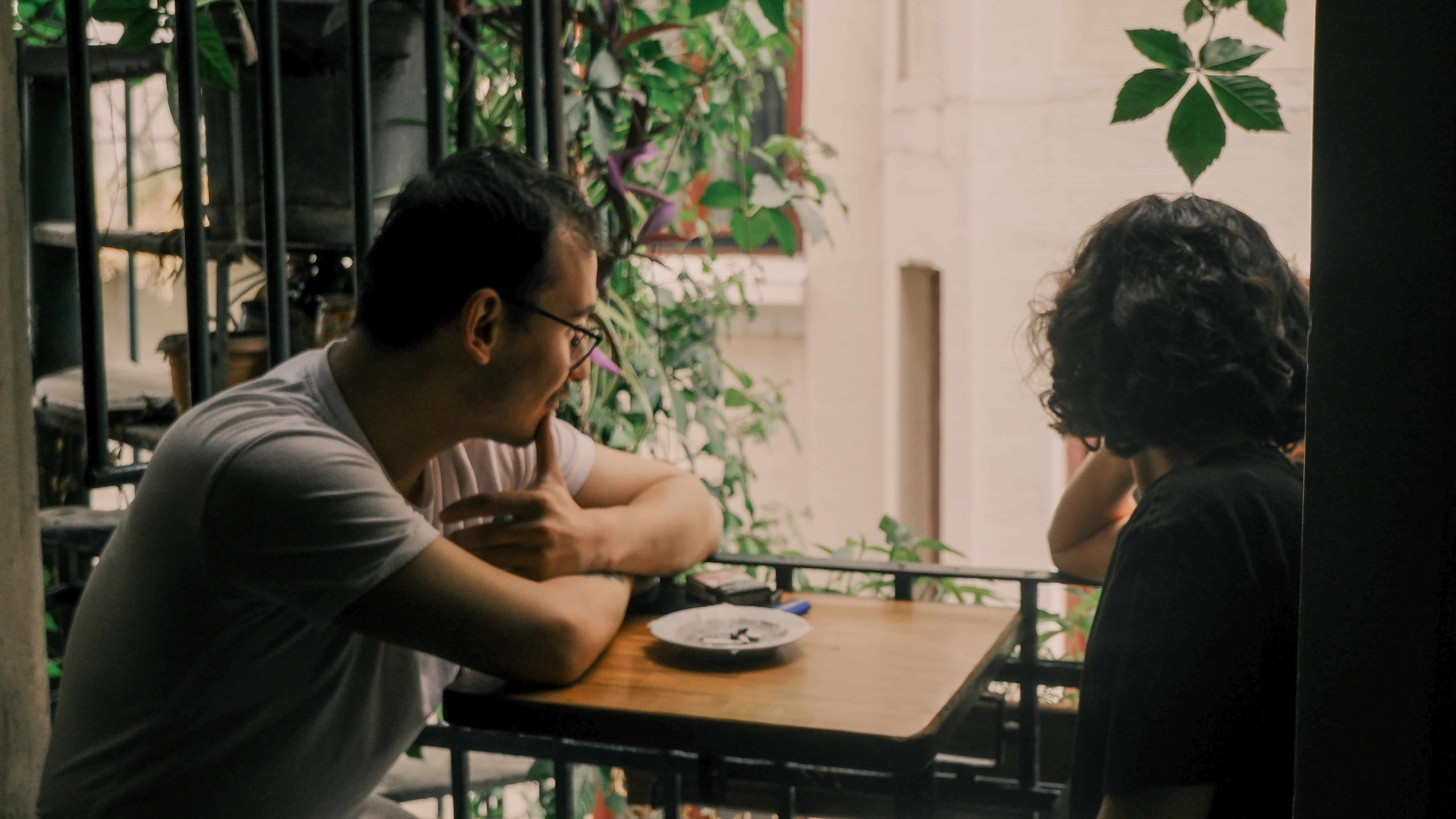
What Is Serious Dating?
Serious dating usually means dating with the possibility of building a committed relationship.
You are not necessarily planning your entire future together after a few dates.
Instead, both people are generally interested in discovering whether the connection has long-term potential.
Serious dating often involves greater attention to things such as:
- emotional compatibility
- shared values
- communication
- lifestyle
- future plans
- exclusivity
- family expectations
- financial attitudes
- long-term relationship goals
The relationship may still begin slowly.
Serious dating is not defined by speed.
It is defined more by direction.
Both people understand that, if the relationship develops well, they are open to deeper commitment.
The Biggest Difference Is Usually Expectations
Casual and serious dating can look surprisingly similar in the beginning.
Both may involve:
Going out for dinner.
Messaging regularly.
Meeting for coffee.
Spending weekends together.
Talking about personal experiences.
Feeling attracted to each other.
The difference often becomes clearer when you look at expectations.
In casual dating, the connection may be enjoyable without needing to lead anywhere specific.
In serious dating, both people are usually evaluating whether the relationship could become a meaningful partnership.
That difference matters because expectations influence behavior.
Someone dating seriously may eventually expect exclusivity, emotional investment, and discussion about the future.
Someone dating casually may prefer to keep those expectations limited.
Neither person is necessarily doing anything wrong.
Problems usually appear when they have different expectations but never talk about them.
Casual Dating Does Not Mean You Do Not Care
One common stereotype is that casual dating means being emotionally detached.
That is not always true.
You can genuinely enjoy someone’s company while knowing that you do not want a long-term relationship with them.
You can care about their feelings.
You can communicate respectfully.
You can appreciate the connection.
The important part is not pretending that the relationship has a future you do not actually want.
Healthy casual dating requires clarity.
If you know you are not interested in commitment but allow another person to believe that commitment is likely, the relationship can become unfair.
Casual dating works best when both people understand the nature of the connection.
Serious Dating Does Not Mean Immediate Commitment
The opposite misunderstanding also causes problems.
Serious dating does not mean deciding that someone is your future partner after three dates.
You still need time to learn who they are.
In fact, taking things slowly can be especially valuable when you want something long term.
Early attraction can make someone seem extremely compatible.
But real compatibility often becomes clearer only after you have seen how they communicate, handle stress, respect boundaries, and respond to disagreement.
Serious dating gives you permission to have a goal without forcing an outcome.
You can want a committed relationship while remaining realistic about whether a particular person is right for you.
Ask Yourself What You Want Right Now
Before choosing between casual and serious dating, think about your current stage of life.
Not what you believe you should want.
Not what your friends want.
Not what your family expects.
What do you actually want?
Ask yourself:
Do I want emotional closeness?
Do I want exclusivity?
Am I interested in building a future with someone?
Do I have time and emotional energy for commitment?
Would I be comfortable if the person I am dating were also seeing other people?
Am I dating mainly because I feel lonely?
Would I feel disappointed if a connection remained casual?
Your answers may reveal more than simply asking whether you want a boyfriend, girlfriend, or partner.
Consider How You Feel About Exclusivity
Exclusivity is often one of the clearest differences between casual and serious dating.
Some people are comfortable dating multiple people during the early stages.
Others prefer focusing on one person once a connection becomes promising.
Neither approach is automatically more mature.
The important thing is whether your expectations match the other person’s.
If exclusivity is important to you, pretending that you are comfortable with a casual arrangement usually does not make those feelings disappear.
Likewise, agreeing to exclusivity when you do not actually want commitment can create resentment.
Understanding your feelings about exclusivity can help clarify what type of dating relationship suits you.
Think About Your Emotional Availability
Serious relationships require emotional participation.
You need to be willing to share more of yourself.
You need to listen to another person’s needs.
You need to tolerate vulnerability.
You may eventually need to work through conflict rather than simply leaving when things become uncomfortable.
If that currently feels overwhelming, casual dating may be more appropriate.
However, casual dating is not a solution for avoiding emotions indefinitely.
People can still become attached.
Emotional availability is therefore less about whether you choose casual or serious dating and more about whether you are honest about what you can offer another person.
Look at Your Current Life
Your practical circumstances matter too.
Maybe you are starting a demanding career.
Maybe you are preparing to move to another country.
Maybe you recently ended a long relationship.
Maybe you have significant family responsibilities.
You may still want companionship but know that you currently have limited capacity for a serious relationship.
That is useful information.
Alternatively, you may feel that your life is relatively stable and you are ready to make room for a partner.
Relationship goals should fit your actual life rather than an idealized version of it.
Ask Whether You Are Comfortable With Uncertainty
Casual dating often involves more uncertainty.
You may not know whether the relationship will continue.
You may not know whether the other person is seeing someone else.
You may not have clearly defined future expectations.
Some people are comfortable with that.
Others find it emotionally exhausting.
Serious dating can provide more direction, but it also involves uncertainty.
Even when both people want commitment, there is no guarantee that they will ultimately be compatible.
Understanding how much uncertainty you are comfortable with can help you choose the right approach.
Pay Attention to Your Reactions
Sometimes your behavior reveals your real relationship goals before your words do.
For example, you may tell yourself that you want something casual.
But then you notice that you feel hurt when the other person dates someone else.
You want to see them more frequently.
You begin imagining a future together.
You feel increasingly uncomfortable with the lack of commitment.
Those feelings may suggest that casual dating is no longer meeting your needs.
The opposite can also happen.
You may say you want a serious relationship because that sounds like the responsible choice.
But whenever a connection becomes emotionally closer, you feel trapped.
You avoid conversations about exclusivity.
You repeatedly choose people who are unavailable.
That may be a sign that you are not currently ready for serious commitment.
Your emotional patterns can provide valuable information.
Do Not Choose Serious Dating Because of Social Pressure
There are many cultural expectations around relationships.
People may feel that they should settle down by a particular age.
They may watch friends become engaged or married and worry that they are falling behind.
Social media can amplify that feeling.
But serious relationships require genuine participation.
Entering one simply because you believe you are supposed to can be unfair to both people.
There is no universal dating timeline.
Some people want commitment early in adulthood.
Others need more time.
Some people never prioritize traditional long-term relationships at all.
The healthier choice is the one that reflects your values rather than external pressure.
Do Not Choose Casual Dating Just to Avoid Vulnerability
Casual dating can also become a form of avoidance.
Someone may insist that they only want casual relationships because deeper connection feels frightening.
Past heartbreak can make emotional distance feel safer.
There is nothing wrong with protecting yourself after a difficult experience.
But if you actually want intimacy, repeatedly choosing relationships that cannot provide it may eventually become frustrating.
Sometimes the real question is not:
“Do I want casual dating?”
It is:
“Am I afraid of serious dating?”
Those are very different questions.
Your Dating Goals Can Change
You do not need to choose one relationship style forever.
What you want at 23 may be completely different from what you want at 33.
Your goals may even change within a shorter period.
After a breakup, you may prefer casual dating for a while.
Later, you may feel ready for commitment again.
Or you may start dating casually and unexpectedly meet someone with whom you want something deeper.
That is normal.
Intentional dating does not require rigid rules.
It requires periodically checking whether your current dating choices still match your needs.
How to Tell Someone You Want Something Casual
If you know that you do not want a serious relationship, clarity is usually kinder than ambiguity.
You do not need to make the conversation dramatic.
You can simply explain that you enjoy getting to know them but are not currently looking for a committed relationship.
The earlier this becomes relevant, the better.
You do not necessarily need to announce your entire relationship philosophy before the first date.
But once you realize that the other person may have different expectations, avoiding the subject can create unnecessary hurt.
Honesty gives them the opportunity to decide whether the relationship also works for them.
How to Tell Someone You Want Something Serious
Wanting a serious relationship does not require putting pressure on someone immediately.
You can communicate direction without demanding a specific outcome.
For example, you can explain that you are dating because you eventually hope to build a meaningful relationship.
That does not mean you have already decided that the other person is the one.
It simply tells them what kind of connection you are open to.
Someone with similar goals will usually appreciate the clarity.
Someone who strongly prefers casual dating may realize that you are not compatible.
That can be disappointing, but discovering it early is usually better than discovering it months later.
What If You Want Different Things?
Sometimes two people genuinely like each other but want different relationships.
One wants something casual.
The other wants commitment.
This situation can be emotionally difficult because attraction may encourage both people to ignore the incompatibility.
You may hope that the other person will eventually change their mind.
Sometimes people do.
But building a relationship around the expectation that someone will become different is risky.
Take what they tell you seriously.
If someone consistently says they do not want commitment, assume that is their current position.
If you need commitment to feel secure and fulfilled, staying in a casual arrangement may cause increasing frustration.
Compatibility includes relationship goals, not just chemistry.
Can Casual Dating Turn Into a Serious Relationship?
Yes.
Many serious relationships begin without a formal plan.
Two people may start dating casually, develop stronger feelings, and eventually choose commitment.
But it is important not to treat this possibility as a guarantee.
Casual dating should not become a secret strategy for convincing someone into a relationship.
If your feelings change, communicate that.
You can say that you originally felt comfortable keeping things casual but now want to know whether the relationship could become more serious.
Then allow the other person to respond honestly.
Can Serious Dating Still Be Fun?
Absolutely.
Serious dating should not feel like a constant compatibility assessment.
You can still flirt.
You can still go on spontaneous dates.
You can still laugh about silly things.
You can still enjoy attraction and excitement.
The purpose of serious dating is not to remove romance.
It is simply to combine romance with awareness.
You are enjoying the connection while also noticing whether it could realistically become something lasting.
Questions That Can Help You Decide
If you are still unsure whether casual or serious dating fits you better, consider these questions:
- Would I be comfortable if the person I am seeing dated other people?
- Do I want emotional intimacy right now?
- Am I willing to make time for a relationship?
- Do I eventually want exclusivity?
- Am I interested in building a shared future?
- Would a relationship without clear direction make me anxious?
- Am I emotionally available?
- Am I choosing casual dating because it genuinely suits me or because commitment scares me?
- Am I choosing serious dating because I truly want it or because I feel pressured?
There is no scoring system.
These questions are simply tools for understanding yourself.
You Can Be Honest Without Having Everything Figured Out
Dating conversations sometimes feel intimidating because people think they need complete certainty.
You do not.
It is perfectly reasonable to say:
“I think I am looking for something serious, but I want to take my time.”
Or:
“I am not ready for a committed relationship right now.”
Or even:
“I am still figuring out what feels right for me.”
Uncertainty is not the problem.
Pretending to be certain when you are not is more likely to create confusion.
Honest uncertainty gives both people useful information.
Final Thoughts
The difference between casual dating and serious dating is not about which one is more mature, romantic, or meaningful.
It is about expectations.
Casual dating may work well when you want companionship and connection without significant long-term commitment.
Serious dating may be more appropriate when you are ready to explore whether someone could become a long-term partner.
The healthier option is the one that matches your actual emotional needs, lifestyle, and relationship goals.
Most importantly, be honest with yourself before asking someone else to understand what you want.
When your dating choices match your intentions, it becomes much easier to recognize the relationships that deserve your time and the ones that simply are not the right fit.